

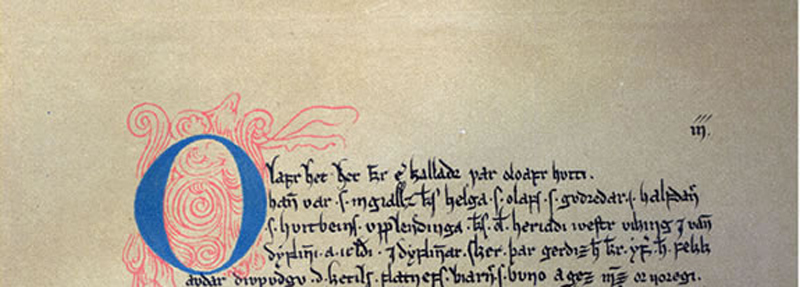
In Episode 8: Vikingr, we mention record keeping. Vikings had an alphabet or runes they used to write. Although many of their sagas–including the sage we include in our episode, Eric the Red–were handed down through oral tradition, they did write fairly extensively. The Viking letters or runes are called FUTHARK for the first six letters: Fehu,Uruz, Thurisaz, Ansuz, Raido and Kenaz. There are actually two types of runes, Elder Futhark and Younger Futhark.
The Elder Futhark is the oldest form of the runic alphabets. It was a writing system used by Germanic tribes for the northwestern and Migration period dialects. Its inscriptions are found on jewelry, amulets, tools, weapons, and rune stones from the 2nd to 8th centuries.
In Scandinavia, from the late 8th century, the script was simplified to the Younger Futhark, while the Anglo-Saxons and Frisians extended the Futhark which eventually became the Anglo-Saxon futhorc. Unlike the Anglo-Saxon and Younger Futharks, which remained in use during the Early and High Middle Ages, respectively, knowledge of how to read the Elder Futhark was forgotten until 1865, when it was deciphered by Norwegian scholar Sophus Bugge.
The style our vikings would have used would be Younger Futhark. The Younger Futhark is divided into long-branch (Danish) and short-twig (Swedish and Norwegian) runes, in the 10th century further expanded by the “Hälsinge Runes” or staveless runes. The lifetime of the Younger Futhark corresponds roughly to the Viking Age.



 In researching the next episode of our podcast, we wanted the locals to have the right flavor to their language. The roaring twenties were a period of truly colorful language, and so the people Sage and Savant mean needed to have the appropriate character to set the scene. Prohibition brought in a host of slang words into the English language as people sought ways to talk about their plans without raising interest from the local law enforcement. We pulled some of our favorites from “
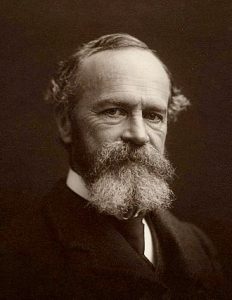 ames was an American psychologist of the late nineteenth century. He studied to become a physician, and was the first educator to offer a university course in psychology. His writings illuminate a number aspects about human thought that are still considered true today, and one of the most cited psychologists in the 20th century.
 James Watt was a Scottish inventor, mechanical engineer, and chemist whose Watt steam engine, an improvement of the Newcomen steam engine, was fundamental to the changes brought by the Industrial Revolution in both his native Great Britain and the rest of the world.